
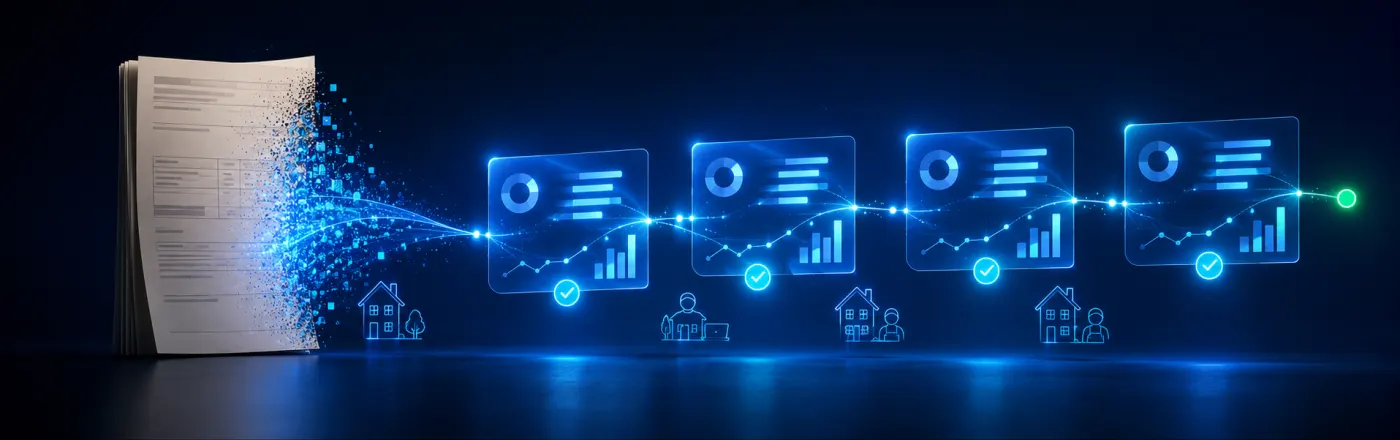
Making Tax Digital (MTD) already changed how VAT works. Now it's reshaping Income Tax for the self-employed and landlords — and the first mandatory phase is here. If you look after sole traders or property clients, here's what's coming and how to get ahead of it.
What is MTD for Income Tax?
MTD for Income Tax Self Assessment (MTD for ITSA) replaces the once-a-year tax return with a continuous, digital process. Affected taxpayers must:
- Keep digital records of income and expenses in compatible software.
- Send HMRC a quarterly update of their figures.
- Submit a final declaration after the tax year to confirm everything and settle the bill.
The shoebox-of-receipts, reconstruct-it-in-January approach no longer works.
Who's affected, and when
The rollout is staged by gross income from self-employment and property — turnover, not profit:
- From April 2026 — sole traders and landlords with income over £50,000.
- From April 2027 — those with income over £30,000.
- From April 2028 — those with income over £20,000.
Because it's based on total business and rental income before expenses, some clients who don't think of themselves as "big" will still be in scope.
What it means for your clients
The headline change is cadence. Clients need:
- Digital bookkeeping kept current through the year, not rebuilt at year-end.
- MTD-compatible software connected to their bank.
- To think about their numbers quarterly rather than annually.
For clients already keeping digital records, this is barely a change. For those on spreadsheets or paper, it's the nudge to modernise — and it makes their business easier to run, not harder.
How accountants can prepare now
- Segment your client list by the April 2026 / 2027 / 2028 thresholds so you know who's affected first.
- Move clients to digital record-keeping early, well before their start date, so quarterly updates feel routine.
- Fix the document flow — the single biggest predictor of a smooth quarter is whether receipts and invoices actually reach you on time.
- Set expectations about quarterly rhythm and what you'll need from clients each period.
Where BookEnu fits
Getting clients onto digital, MTD-ready records is exactly the problem BookEnu is built for. Clients upload documents from a phone, AI reads and categorises them, and your books stay current and reconciled quarter to quarter. BookEnu keeps the MTD-ready digital records and produces the figures — you review and file.
If you're getting a practice ready for MTD for Income Tax, apply for early access and we'll help you onboard your first clients.
This article is general information, not tax advice. MTD timings and thresholds can change — always check the current HMRC guidance for a client's situation.